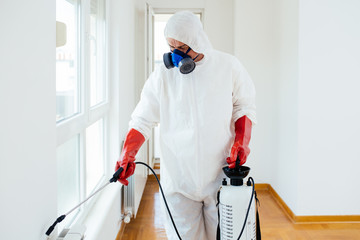
Detailed descriptions of pest problems, their hiding spots and entry points help the technician develop an effective treatment plan. This can include a variety of strategies such as traps, bait stations and pesticide treatments.
Maintaining good client communication and service transparency improves compliance and reduces complaints. This can be done through appointment confirmations, service reminders and digital reports. Click Here for more information.
Preparation
The preparation stage of pest control services is a vital step that can help ensure a more effective treatment. By following a comprehensive preparation checklist, you can provide exterminators with easier access to problem areas and reduce the risk of damage to your belongings. This step of the process typically involves clearing clutter and removing items from shelves, drawers, closets, and other areas where pests might hide. It may also involve moving items such as furniture, appliances, and personal belongings to expose baseboards, nooks, and crannies that are difficult to get to without removing them.
The specific steps in a pest control plan will vary depending on the type of infestation and the method being used. For example, cockroaches require different treatments than termites or rodents. In addition, the severity and scale of an infestation will influence the treatment method. For instance, a small infestation of ants can often be controlled with baits or traps, while larger infestations will likely require chemical pesticides.
During the inspection, pest control technicians will identify the type and severity of the infestation and determine the best treatment options. They will then develop a comprehensive plan for eliminating the pests and preventing them from returning in the future. This can include regular pest control services, as well as additional cultural or structural methods of pest prevention.
Pest control technicians can prevent re-infestation by sealing cracks, crevices, and openings around doors, windows, and utilities pipes in the home. They can also install weather stripping to prevent air leaks. These measures can be particularly important for older homes or those with old foundations and wood siding.
A good pest control company will keep clients updated throughout the service process. This can be done through email and text message reminders, as well as by implementing client satisfaction surveys after treatment is completed. By keeping communication channels open, pest control companies can reduce customer complaints and build trust with clients. They can also use data analytics to refine their services, marketing campaigns, and technician training. This can ultimately improve customer retention and overall business success.
Inspection
Before a treatment begins, a pest control professional inspects the home for signs of infestation and ways in which the pests are entering. This may include examining entry points, identifying cracks and gaps, and checking for clogged drains or sewer pipes. It can also involve an examination of the yard for nesting areas and harbourage spots like standing water or vegetation that is overgrown and providing places for pests to hide.
Homeowners can help in this inspection stage by moving furniture and large appliances away from walls, and cleaning behind and underneath these items. This allows the pest control technician full access to these areas, where pests often harbour.
Detailed descriptions of pest infestations, including hiding spots, enable the pest control technician to create targeted treatments that are more effective than generic spraying or baiting. This approach is a key component of integrated pest management (IPM), a system that incorporates preventive measures, such as removing standing water or improving sanitation, with targeted chemical controls where necessary.
Treatment
The treatment stage involves a variety of methods depending on the pest type. For instance, rodents require different solutions than insects like cockroaches and bed bugs. Proper inspection of pest entry points and the severity of infestation helps identify the most effective approach. This could include cultural control measures such as sealing cracks or using traps, or chemical spraying.
Clutter is often a magnet for pests, making it necessary to clear spaces and surfaces before the treatment begins. This also makes it easier for the technician to reach infested areas. Additionally, storing items away in drawers or cabinets prevents them from absorbing any residual pesticide. In cases of severe infestations, other methods like heat treatment or fumigation may be required.
If a pesticide is used, it’s important to follow proper application techniques and label instructions to minimise toxicity. Microbial or biological pesticides, such as the bacterium Bacillus thuringiensis (Bt), are effective alternatives to traditional chemical insecticides and are safe for people and pets. They work by disrupting an insect’s life cycle or blocking the insect’s olfactory nerve, causing it to die. They’re also a great choice for sensitive environments. Other low-risk options for treating large areas include baits and traps, which are often more effective than chemical spraying. These are often available in ready-to-use formulations, reducing the need for mixing and handling. These products also have minimal environmental impact and are usually less toxic than conventional pesticides.
Follow-Up
Once the pest problem is addressed, a technician will develop a plan for preventing future infestations. Educating homeowners on prevention techniques and thorough sealing of entry points, like crevices and vents, improves long-term results. Implementing regular pest control services helps prevent infestations from returning, as well. This is the last step of the pest control process service, and it is an excellent way to build client satisfaction. Followup, written as one word without a hyphen, is also an alternative spelling of this stage.
