Carpet adds warmth, comfort, and visual appeal to both residential and commercial spaces. It softens footsteps, reduces noise, and makes rooms feel more inviting. However, carpets also act like large filters, trapping dust, allergens, pet dander, dirt, and even bacteria deep within their fibers. Over time, without proper maintenance, what looks clean on the surface may hide layers of embedded debris underneath.
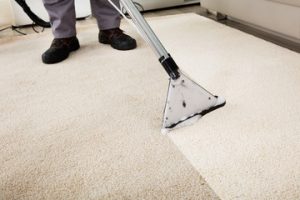
One of the most common questions property owners ask is: How often should carpet cleaning be scheduled? The answer depends on several factors, including foot traffic, indoor air quality concerns, pets, and lifestyle habits. In this complete maintenance guide, we’ll break down everything you need to know about Carpet Cleaning Orem frequency, warning signs, and best practices to protect your flooring investment.
Why Carpet Cleaning Frequency Matters
Carpet is not just decorative flooring—it is a long-term investment. Replacing carpet can be costly and disruptive. Routine carpet cleaning helps preserve its texture, color, and structural integrity. More importantly, it supports a healthier indoor environment.
When dirt and grit settle deep within carpet fibers, they act like tiny abrasives. Every step grinds these particles into the fibers, causing them to fray and deteriorate prematurely. Meanwhile, trapped allergens and bacteria can circulate back into the air each time someone walks across the room.
Scheduling carpet cleaning at the right intervals accomplishes three critical goals:
- Extends the lifespan of your carpet
- Improves indoor air quality
- Maintains a fresh and professional appearance
Without a consistent cleaning schedule, carpets can lose their vibrancy, develop odors, and wear down faster than expected.
The Difference Between Routine Maintenance and Deep Cleaning
Before determining how often to schedule carpet cleaning, it’s important to understand the difference between routine upkeep and professional deep cleaning.
Routine maintenance includes regular vacuuming and immediate spot treatment of spills. Vacuuming removes surface debris and prevents dirt from settling deeper into the carpet pile. Most households should vacuum at least once or twice per week, while high-traffic areas may require more frequent attention.
Professional carpet cleaning, on the other hand, goes far beyond surface maintenance. It uses specialized equipment to penetrate deep into carpet fibers, removing embedded dirt, allergens, and residue that household vacuums cannot extract.
Both methods are essential, but they serve different purposes. Vacuuming manages day-to-day debris, while professional carpet cleaning restores and refreshes the carpet at a deeper level.
General Carpet Cleaning Recommendations
While every property is different, there are general guidelines that can help you determine a starting point for scheduling carpet cleaning services.
For average households with moderate foot traffic and no pets, professional carpet cleaning is typically recommended every 12 months. This annual service helps remove accumulated dirt and maintain the carpet’s appearance.
However, certain conditions require more frequent cleaning.
You may need professional carpet cleaning every 6 to 9 months if:
- You have pets that shed hair or track in dirt
- Some children frequently play on the floor
- The home experiences high foot traffic
- Someone in the household has allergies or respiratory sensitivities
In commercial environments or busy offices, carpet cleaning may be necessary every 3 to 6 months to maintain cleanliness and professionalism.
These recommendations are not rigid rules, but they provide a helpful framework for planning.
Factors That Influence Cleaning Frequency
Carpet cleaning schedules are rarely one-size-fits-all. Several key factors influence how often professional services are needed.
1. Foot Traffic Levels
High-traffic areas such as entryways, hallways, and living rooms accumulate dirt more quickly. The more people walking across the carpet daily, the faster debris becomes embedded. Properties with frequent visitors, gatherings, or employees typically require more frequent deep cleaning.
Low-traffic spaces such as guest rooms may not need cleaning as often, but they should still be included in periodic maintenance to prevent long-term buildup.
2. Presence of Pets
Pets introduce additional challenges for carpet maintenance. Shedding fur, dander, and tracked-in dirt can quickly accumulate in fibers. Accidents can also cause stains and lingering odors if not properly treated.
Pet owners often benefit from scheduling professional carpet cleaning at least twice per year to manage allergens and maintain freshness.
3. Indoor Air Quality Concerns
If anyone in the property experiences allergies, asthma, or respiratory discomfort, maintaining clean carpets becomes even more important. Carpets can trap pollen, dust mites, and other airborne irritants.
Frequent deep cleaning helps reduce allergen buildup and supports better air quality throughout the space.
4. Lifestyle and Habits
Simple lifestyle choices also affect cleaning frequency. For example, households that remove shoes at the door may experience less dirt accumulation. On the other hand, properties where food and drinks are regularly consumed in carpeted areas may see more spills and stains.
Understanding how your space is used will help you determine a realistic cleaning schedule.
Signs It’s Time to Schedule Carpet Cleaning
Even if you follow a general timeline, certain warning signs indicate that carpet cleaning should be scheduled sooner rather than later.
Watch for these indicators:
- Persistent odors that do not disappear after vacuuming
- Visible stains or discoloration
- Matted or flattened carpet fibers
- Increased allergy symptoms indoors
- Dust accumulation shortly after cleaning
If your carpet appears dull or feels rough underfoot, embedded debris may be weighing down the fibers. Addressing these signs early prevents more serious damage and restores comfort.
The Cost of Waiting Too Long
Delaying carpet cleaning can lead to more than just cosmetic issues. When dirt remains trapped in fibers for extended periods, it weakens the material and accelerates wear.
Over time, neglected carpets may develop:
- Permanent staining
- Foul or musty odors
- Fiber breakdown and thinning
- Discoloration in high-traffic areas
Replacing carpet prematurely is significantly more expensive than maintaining it with routine professional cleaning. Regular service not only preserves appearance but also protects your long-term investment.
Seasonal Considerations for Carpet Cleaning
Some property owners prefer to align carpet cleaning with seasonal transitions. For example, scheduling a deep clean in spring helps remove winter debris and refresh the space. Others prefer fall cleaning before indoor activity increases.
Seasonal cleaning offers practical benefits, including:
- Removing accumulated dirt from changing weather conditions
- Preparing the property for holidays or gatherings
- Reducing allergens during peak allergy seasons
While seasonal scheduling is not mandatory, it provides a structured approach to maintenance.
Creating a Carpet Maintenance Plan
Instead of waiting for visible problems, proactive planning is the best strategy for long-term carpet care.
An effective maintenance plan should include:
- Weekly vacuuming of high-traffic areas
- Immediate blotting and treatment of spills
- Professional carpet cleaning at recommended intervals
- Regular inspection for signs of wear or damage
By combining daily upkeep with periodic deep cleaning, you create a layered defense against dirt and deterioration.
Keeping a simple maintenance calendar can help ensure you don’t overlook necessary services. Many property owners find it helpful to schedule professional carpet cleaning at the same time each year for consistency.
Benefits of Consistent Carpet Cleaning
When carpet cleaning is performed at appropriate intervals, the benefits extend far beyond visual appeal.
Consistent cleaning helps:
- Maintain vibrant color and softness
- Improve indoor air freshness
- Reduce allergen accumulation
- Protect carpet fibers from premature wear
- Enhance the overall comfort of your space
Clean carpets contribute to a more welcoming and hygienic environment. In commercial settings, well-maintained flooring also supports a professional image and positive first impressions.
Professional Carpet Cleaning vs. DIY Methods
While some property owners attempt to do-it-themselves carpet cleaning, professional services often deliver deeper and more reliable results. Household machines may not extract as much moisture or embedded debris as commercial-grade equipment.
Improper cleaning techniques can leave excess moisture behind, increasing the risk of mold or odor development. Professional carpet cleaning services are designed to remove dirt efficiently while minimizing drying time.
Scheduling professional service at recommended intervals ensures a more thorough restoration and reduces the risk of accidental damage.
Finding the Right Cleaning Schedule
So, how often should you schedule carpet cleaning? The honest answer depends on your property’s unique conditions. However, most residential spaces benefit from professional cleaning at least once per year, while high-traffic or pet-friendly homes may require service every 6 months.
Rather than viewing carpet cleaning as an occasional chore, think of it as preventive maintenance. Regular care protects your investment, enhances indoor air quality, and keeps your space looking its best year-round.
By evaluating foot traffic, lifestyle habits, and air quality concerns, you can create a customized carpet cleaning schedule that supports both comfort and longevity. When routine vacuuming is paired with timely professional carpet cleaning, your flooring will remain fresh, resilient, and inviting for years to come.